
When you compare technical SEO services, look beyond the volume of audit findings. For European B2B companies, the right work connects technical fixes to important pages, development workflows and measurable outcomes.
Key Takeaways
- Buy a defined scope. Separate diagnosis, implementation support, quality assurance and ongoing monitoring.
- Prioritise by impact. A blocked, high-value page deserves more attention than a long list of low-impact warnings.
- Expect evidence and a usable handoff. Recommendations should identify affected templates, explain the change and set acceptance criteria.
- Check fixes across page types. Staging tests and post-release checks show whether a change works beyond one example URL.
- Measure against a baseline. Technical health and organic visibility should be reviewed together, with other influences kept in view.
Scope the work beyond a list of audit findings
A useful technical SEO audit should connect technical foundations with content and site structure. Technical work helps crawlers discover, render and understand useful pages, but it cannot replace relevant content or a broader strategy for reaching buyers.
Define the engagement as distinct workstreams. An audit diagnoses and explains; implementation support turns recommendations into development tasks; quality assurance checks changes; monitoring tracks what happens after release.
Ask the provider to tie each finding to affected URLs or templates, supporting evidence, likely search impact, implementation effort, risk and acceptance criteria. That gives your team a basis for deciding what to fix now, what to schedule and what to leave alone.
Scope also depends on your platform and working conditions. Deployment cadence, developer access, staging environments and the availability of server logs or analytics data all shape what is feasible and how long the work takes.
Our SEO Consulting covers technical SEO alongside content and site structure, with work specified in detail and measured from day one. That makes it relevant when you need a joined-up scope rather than an isolated technical report.
Prioritise crawlability, indexation and URL signals
Start with the pages that matter to the business, not the raw number of crawl warnings. A specialist should use crawl data and, where available, server log analysis to see whether priority URLs are discoverable and being requested by search crawlers.
Crawlability and indexability are different. A crawler may be able to access a page that is still excluded from search, and inclusion in an XML sitemap does not guarantee indexation. A useful diagnosis identifies which condition applies and which pages it affects.
Robots directives need to support the intended outcome. If a page should be excluded with a noindex directive, crawlers need access to see that instruction; blocking the same page in robots.txt can prevent them from processing it.
Review status codes, XML sitemaps, canonical tags and redirects as a connected set of signals. A redirect chain, conflicting canonical or sitemap entry that points to a different URL can make the preferred page unclear.
This is where indexation issues need context. Fixing an isolated warning may do little, while resolving conflicting signals on a set of key product or service pages can remove a real barrier to discovery.
Assess rendering, site architecture and structured data
JavaScript SEO needs evidence from both the initial HTML and the rendered page. For important JavaScript-heavy templates, check whether the main content, links and metadata appear after rendering; an indexed URL alone does not prove that all rendered content is understood.
If a page appears empty or incomplete before rendering, compare its HTML with the rendered output and inspect the rendered version in Google Search Console. If key content or links are missing from that output, the implementation may be preventing crawlers from accessing what users see.
Important pages should be reachable through clear, crawlable internal links. Sensible navigation and contextual links help users and crawlers understand how pages relate, rather than leaving discovery dependent on isolated XML sitemap entries.
Use structured data when it accurately describes visible page content and a relevant entity or content type. The handoff should include validation of syntax and eligibility, while making clear that correct markup does not guarantee enhanced search results.
Recommendations should identify the affected templates and the practical change required. For example, a specialist might propose rendering essential content server-side or correcting internal-link paths, rather than handing over a tool warning with no implementation direction.
Treat Core Web Vitals as diagnosis, not a shortcut
Ask which templates and user journeys have performance issues, then expect the specialist to trace them to causes such as oversized images, render-blocking resources, excessive JavaScript or slow server responses. A single score cannot explain which change will make a page feel faster to a buyer.
Core Web Vitals describe aspects of page experience. Michigan Technological University advises, “Keep your CLS to 0.1 or less.” Responsiveness should also be assessed using current INP, rather than the retired FID metric.
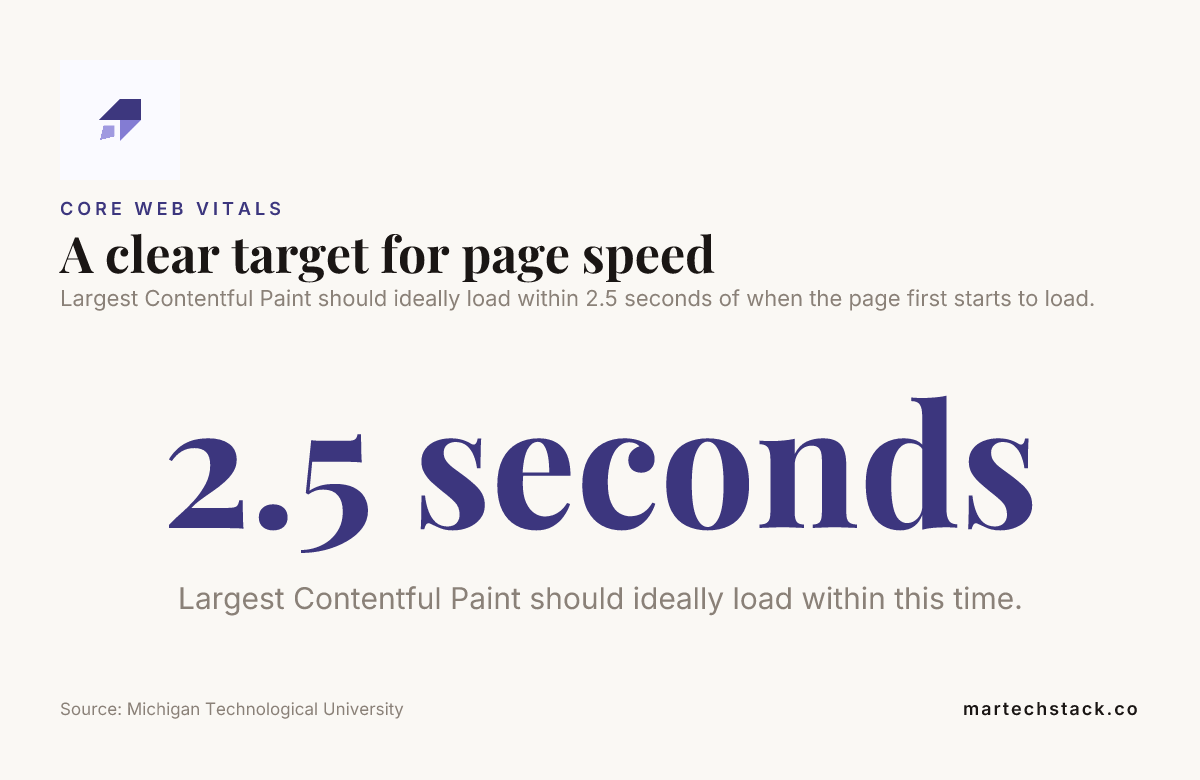
Largest Contentful Paint should ideally load within 2.5 seconds of when the page first starts to load.
Prioritise performance work by affected pages and user impact, then validate it on representative templates. A better result on one test page does not show that every important page or journey is faster.
Do not buy a promise that crossing one threshold will automatically improve rankings. The useful outcome is less user-facing friction and a clearer understanding of the underlying performance causes, considered alongside other factors that shape organic visibility.
Include international targeting and migration risk in scope
For multilingual or regional sites, map equivalent pages and use consistent hreflang annotations that point to valid, indexable alternatives. Reciprocal references help crawlers interpret the intended relationship between language or regional versions.
Review language targeting alongside canonical tags, internal links and XML sitemaps. If those signals point to conflicting versions, they can undermine the intended international setup.
For site migration SEO, require a complete old-to-new URL map, relevant one-to-one 301 redirects and testing for redirect chains. Redirecting every old URL to the homepage can discard useful page-level relevance, so the map should preserve meaningful page relationships.
Agree staging checks and post-launch verification before a domain, platform or URL-structure change. The plan should cover crawl access, status codes, canonicals, redirects, sitemaps and organic landing pages, including removal of staging controls that could block the live site.
Require prioritised recommendations and developer-ready handoffs
A useful audit deliverable links each recommendation to evidence, affected URLs or templates, likely impact, effort, risk, dependencies and a proposed priority. This is more actionable than an undifferentiated export of every warning a tool can detect.
Expect implementation notes that explain the intended outcome and acceptance criteria, with clear ownership between the specialist and your developers. The recommendations should fit your platform and release workflow, not assume a development process your team does not use.
For material template changes, agree how fixes will be tested in staging and across representative page types before release. After deployment, check the live result to confirm the change reached the intended pages and did not introduce new issues.
Keep a record of unresolved findings, decisions and follow-up checks. That handoff lets your team see what was fixed, deferred or blocked, and who owns the next action.
A specialist should explain why a recommendation comes first using the pages affected, expected impact, effort and risk.
Judge results against a baseline and the scope promised
Establish a baseline for technical health and organic performance before implementation. Track measures relevant to the agreed work, such as indexation of priority pages, crawl errors, page performance and organic landing-page visibility.
Compare outcomes over a suitable period, while accounting for changes to content, demand, competition and search systems. Technical fixes can remove barriers to visibility, but they cannot guarantee a particular ranking outcome.
Judge the engagement against what it promised: were the agreed fixes implemented and verified, did the affected page types improve, and do remaining constraints have an owner and next action? For ongoing work, set a review cadence and ask for reporting that connects technical changes with observed outcomes.
For teams building their understanding alongside an engagement, our SEO articles cover technical topics including rendering, crawl budget, structured data and hreflang. If you want to run a first pass yourself, the technical SEO audit checklist is a practical starting point.
Frequently Asked Questions
Can technical SEO services guarantee higher rankings?
No. Technical SEO services can address access, rendering and URL barriers, but rankings also depend on factors outside the technical scope, including relevance and competition. Treat a promise of a specific position or traffic figure before the provider has reviewed your site as a warning about the proposal.
How long does a technical SEO audit usually take?
There is no universal duration: a focused review of one site differs substantially from work across several markets, languages and rendering systems. Ask the provider to separate the audit delivery date from any later development and release schedule.
When should a B2B company commission another technical SEO audit?
Commission a fresh review after a platform redesign, domain change or expansion into new markets when those changes alter URLs, templates or technical delivery. Smaller releases can often be assessed through targeted quality assurance rather than a repeat of the full review.
Is SEO dead now that people use AI for search?
No. Technical SEO still helps make useful pages accessible and understandable, while clear content and site structure give both traditional search and AI systems material to interpret. These foundations support visibility, but they do not guarantee that a page will appear in an AI-generated answer.
How should technical SEO fixes be prioritised?
Rank each fix by the value of the pages it affects, the size of the barrier it removes, the development effort and the release risk. A crawl or indexation problem on key service pages usually comes before cosmetic warnings spread across low-value URLs.
Conclusion
The best technical SEO services do more than identify crawl and performance warnings. They connect findings to business-critical pages, provide a developer-ready route to implementation and verify the result against an agreed baseline.
For a European B2B team, a strong engagement fits the site’s platform, languages and release process. Choose a partner who can explain what should be fixed, why it matters, how the change will be tested and what the results show.

Founder of MarTech Stack. SEO, analytics and marketing automation.
LinkedIn